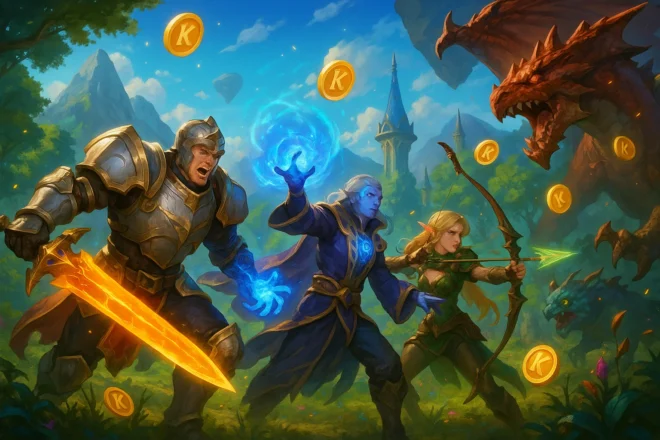
Starting fresh in Aion 2 can feel overwhelming, especially with the sheer number of quests, instances, and character builds available. But with a bit of guidance, you can maximize your progression, earn currency efficiently, and set up a strong foundation for both PvE and PvP. Here’s a structured approach to getting your journey started on the right foot.
Earning Kina Early: Setting Your Foundation
One of the most important resources in Aion 2 is Kina. From upgrading gear to crafting consumables, nearly every activity relies on it. For beginners, completing daily and weekly quests is your best bet. These quests provide experience, gear, consumables, and of course, direct Kina payouts. Weekly tasks, especially those tied to legion missions or repeatable events, offer some of the highest early-game rewards.
An often-overlooked tip is gathering. The game world is dotted with Ether and resource nodes that can be harvested instantly. Even if crafting isn’t your main focus, selling raw materials at the broker can generate steady income. Buffs like Energy of Repose or Lotus’ Amulet 2 can speed up your gathering and increase yields, giving you both XP and Kina simultaneously. For players looking for shortcuts, Aion 2 Kinah can also be purchased through reliable marketplaces like U4GM, providing a small boost to get ahead without disrupting the game’s balance.
Choosing the Right Class for Your Playstyle
Class selection shapes your entire early experience. Aion 2 brings back iconic classes from the original game, all redesigned with modern, action-oriented combat:
- Templar: A tank who controls enemy attention and protects allies. Perfect for new players who need stability.
- Gladiator: Heavy melee damage with crowd control potential. Sweeping strikes and life-steal abilities make them durable.
- Assassin: High burst damage from stealth, rewarding precise positioning and timing.
- Ranger: Strong at ranged combat and battlefield control using traps and mobility.
- Sorcerer: Elemental burst damage with crowd control. Focused on positioning and charged attacks.
- Spirit Master: Combines elemental summons and magic for damage and utility.
- Cleric: Primary healer with AoE heals and protective abilities.
- Chanter: Hybrid support, providing regeneration and buffs alongside decent damage.
For beginners, Templar or Cleric are recommended due to their consistent survivability and reliable performance.
Don’t Skip the Tutorial
Even if you’re an MMO veteran, the tutorial in Aion 2 is critical. It teaches movement, flying, dodging, skill chaining, and item rarity management. Understanding the color-coded rarity system—from gray (junk) to orange (legendary)—prevents accidentally discarding valuable loot. Early tutorials also provide some Kina, which you can immediately use to bind your character to an obelisk, ensuring a safe respawn point.
Early Game Strategy: Solo vs Group
Before rushing into your first major zones, decide whether you’ll play solo or join a group. Solo players should prioritize survivability and defensive abilities. If you plan to group up, joining a guild early helps you establish roles and optimize dungeon efficiency. Understanding team dynamics speeds up progression and reduces unnecessary risks.
Leveling Efficiently
Aion 2’s leveling system is smooth and modern. Early campaign quests quickly introduce core mechanics and unlock new regions and systems. Side quests fill XP gaps and provide materials and consumables, while instance dungeons become the most efficient XP sources at mid-game. High-density farming zones are viable if respawn times are fast and competition is low.
When leveling, don’t ignore gear optimization. Speeding through content is helpful, but under-geared characters will struggle in late-game content. Joining a supportive guild and understanding advanced mechanics before hitting the level cap ensures smoother endgame progression.
Stigma Talent System: Build Specialization
The new Stigma system replaces the old stone setup with a full talent tree. Every skill has branching upgrades affecting cooldowns, damage type, area of effect, and mechanics. Gladiators can specialize in life steal or crowd control, sorcerers can choose between ice or fire builds, and even healing classes have unique paths. The approximately 40 available skills create deep theorycrafting opportunities, encouraging replayability and mastery.
Crafting and Economic Tips
Turning raw materials into high-demand items is key to building a strong in-game economy. Alchemy and cooking, in particular, can generate consistent profits early on, as potions, scrolls, and serums are always in demand. Players can further optimize profits by maintaining an alt for crafting, while their main character focuses on gathering or dungeon runs. Once you reach endgame instances, rare items like skill books, minion contracts, and enchantment stones can be sold for massive amounts of Kina. For those looking for a shortcut or additional support, marketplaces where you can buy Aion 2 Kinah provide a convenient option for keeping up with competition.
Summary
Starting strong in Aion 2 is all about planning, understanding systems, and efficiently earning and spending resources. Mastering early quests, gathering, crafting, and class selection ensures smooth progression. Meanwhile, the new Stigma talent system offers endless customization opportunities for specialized builds. A thoughtful start sets the tone for both PvE and PvP adventures, helping you enjoy the game to its fullest.
FAQ
- What is Kina and why is it important?
Kina is the main currency used for upgrading, crafting, repairing, and purchasing items. Efficient acquisition early on sets the foundation for smooth progression. - How do I earn Kina fast?
Daily and weekly quests, gathering resources, crafting high-demand items, and running instance dungeons are the most reliable methods. - Can I buy Kina safely?
Yes, trusted marketplaces like U4GM offer secure ways to buy Kina, providing an optional boost without violating game rules. - Which classes are easiest for beginners?
Templar and Cleric offer the most stability and consistent performance for early game content. - What’s the importance of the tutorial?
It teaches unique mechanics like movement, dodging, flying, and skill chaining, while also providing early Kina and item management knowledge. - How does the Stigma system affect builds?
It replaces traditional stones with a talent tree, allowing deep skill specialization and customization for different play styles. - Are crafting and gathering profitable?
Yes, especially early on. High-demand items like potions, scrolls, and serums can consistently generate Kina. - Should I focus on solo or group play?
Both are viable. Solo play requires defensive planning, while group play benefits from guild support and coordinated roles for efficiency.