Diablo 4 Lord of Hatred Leaks Reveal Runeworks System

The reveal of Diablo 4’s Lord of Hatred expansion has already reshaped how many players think about the game’s future, and one of the most talked-about ideas coming out of early footage and leaks is the return of a rune-based system that the community has started calling “Runeworks.” While Blizzard has been open about major features like the Paladin, the Skovos Isles, and sweeping endgame changes, smaller details tucked into trailers and datamined files have sparked speculation that runes and Runewords will play a much bigger role than first expected. For a lot of players, especially longtime fans of Diablo 2, it feels like Diablo 4 may finally be adding a deeper layer of item identity without simply copying the past Diablo 4 Items.

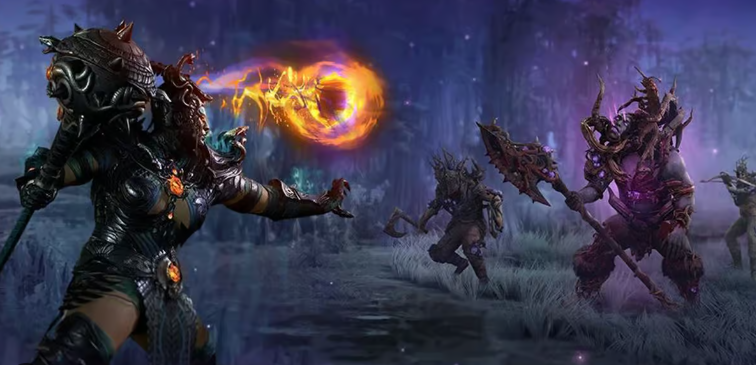
Blizzard has confirmed that runes and Runewords are part of Vessel of Hatred, but the way they work is very different from the classic system. Instead of slotting a specific sequence of runes into an item to create a fixed outcome, Diablo 4 uses two types of runes that interact with each other. Runes of Ritual generate an Offering resource when certain conditions are met, while Runes of Invocation consume that Offering to trigger powerful effects. Players quickly latched onto the term “Runeworks” to describe the whole system, mostly because it feels less like a throwback gimmick and more like a new framework built around Diablo 4’s faster combat and tighter stat design.

Trailer breakdowns and leaks have only added to the excitement. Some sharp-eyed viewers noticed brief moments where runes appear to swirl around weapons, often alongside imagery of the Horadric Cube. That has led to speculation that the Cube will be more than a simple crafting tool and could become central to assembling, modifying, or re-rolling runic effects. When you combine that with Blizzard’s promises of expanded crafting and more control over endgame progression, it starts to look like runes could sit right between loot hunting and long-term character planning, rather than being just another source of passive bonuses.

What’s been pieced together so far suggests a system built around choice and risk. Ritual runes trigger Offering through specific actions, like using certain skills, hitting particular enemy types, or leaning into more dangerous play patterns. Invocation runes then turn that Offering into tangible power, whether that’s a burst of damage, a defensive effect, or something more exotic, including abilities that blur class boundaries. Because tougher Ritual conditions generate more Offering, players are already theorycrafting setups that intentionally push risk higher in exchange for much stronger payoffs.

Datamining and early previews also hint that Runeworks won’t be confined to a single piece of gear. Instead, runes may appear across several important slots, including weapons and major armor pieces, thanks to new socket options. That opens the door to layering multiple runic effects across a build, each with its own trigger and reward. It also means more complexity. Rather than slapping on a bonus and forgetting about it, players will need to think about timing, positioning, and how their skills interact with rune conditions if they want everything to line up during combat.

From a design standpoint, Runeworks looks like Blizzard’s attempt to address a common complaint about Diablo 4’s loot: that too much power was locked behind a small number of must-have uniques. By tying big effects to conditional systems instead of raw stats, the developers can add meaningful power without completely overshadowing existing legendaries and uniques. Early community reactions have been cautiously positive, with many players excited about the possibility of finding unexpected rune combinations that open up new playstyles rather than just chasing the same best-in-slot items every season.

When you look at Runeworks alongside the other changes coming with Lord of Hatred—reworked skills, better loot tools, deeper crafting, and a more demanding endgame—it feels like part of a broader shift toward giving players more control over how their characters grow. With a new region to explore and harder content on the horizon, having a flexible system that rewards experimentation could be exactly what Diablo 4 needs diablo 4 gear for sale. If even some of the current leaks and interpretations turn out to be accurate, Runeworks might end up being the feature that finally gives Diablo 4 its own long-term identity, one built around choice, creativity, and the satisfaction of making a build truly your own.
Arc Raiders Battle Pass 2 Reveals All Goalie Raider Deck Rewards

Arc Raiders’ Cold Snap update brought more than just icy weather and tougher conditions—it also introduced the Goalie Raider Deck, which functions as Battle Pass 2 in a way that feels refreshingly player-friendly. Instead of a timed, paid track, this is a free and permanent reward board inspired by hockey culture, packed with cosmetics and practical gear for dangerous raids against the ARC threat. Players unlock rewards by spending Cred they earn in matches, moving through pages at their own pace with no pressure to grind before a deadline ARC Raiders Coins.

Cred is earned naturally just by playing raids and completing Feats, which are small objectives tied to normal gameplay. You can complete up to three Feats per match, with goals like taking down certain ARC enemies, dealing damage with specific weapons, or extracting with loot. These reset every day, giving steady progress without forcing marathon sessions. There’s a soft cap at 800 Cred to discourage hoarding, but the bonus Cred from the first few daily Feats makes it forgiving even if you only play a bit each day. Because each page only unlocks after you spend a set amount of Cred, players are encouraged to choose carefully instead of buying everything.

The early rewards ease you in with personality-focused items. On the first page, players can grab the Goalie Mask, hockey-themed face paint, and a stick emote, all for relatively low Cred costs. These unlocks don’t feel like filler, especially since they’re paired with small utility packs that can actually help in raids. The mask in particular has been a favorite thanks to its detailed look, catching light nicely in Speranza’s harsh environments and standing out during screenshots or tense encounters with ARC units.

As you move deeper into the deck, the focus shifts toward survival tools. Later pages introduce packs filled with tactical gear like Lure Grenades, Wolfpacks, flame sprays, traps, and bandages, making them especially appealing for aggressive squads or players pushing contested areas. The balance between cosmetics and useful items feels intentional, so even players who don’t care much about outfits still get value. Emotes and visual flair are sprinkled in just enough to keep things fun without overshadowing the practical rewards.

Midway through the deck, the hockey theme really comes together. Outfit color variants inspired by goalie pads mix with defensive gear like door blockers, mines, and noisemakers, which work well in Snowfall conditions where visibility is limited. Stealth-focused packs with tools like the Snap Hook and smoke grenades also shine here, supporting slower, more tactical playstyles. These pages feel designed for players who enjoy holding positions or setting traps while ARC enemies close in.

The later pages lean into longer-term progression. Medical-focused packs prepare players for extended raids, while key-focused rewards open access to high-value loot locations for those willing to take risks. Cred costs rise, but the rewards match the investment, making the deck feel more like a long-term vault than something you rush through. Smaller pages near the end often include Raider Tokens or signature items tied to the Goalie theme, giving a satisfying finish without locking anything essential behind excessive grinding.

What really makes the Goalie Raider Deck stand out is its permanence. Knowing the rewards aren’t going anywhere changes how progression feels, especially in a high-stress extraction shooter. Players can log in, complete a few Feats, and slowly build toward what they want, whether that’s a full hockey-inspired look or a stash of useful raid tools ARC Raiders Coins cheap. It’s a system that respects time while still rewarding commitment, and it fits neatly into Arc Raiders’ evolving identity.

What Are the Best Judgment Tips in Diablo IV

Once you’ve hit the Diablo IV endgame, you’ll bump into Judgment and probably think, “Okay… what am I meant to do with this.” I felt that way too, and I ended up digging into it while tweaking builds and comparing clears.

If you’re also gearing, trading, or just trying to smooth out the grind, a lot of players keep an eye on U4GM while they plan upgrades, because Judgment setups can be weirdly gear-sensitive. At face value, Judgment is a mark with a little holy orb over the target, and if you ignore it, it pops after about three seconds for a chunk of weapon damage. That baseline detonation works, but it’s not where the mechanic starts paying rent.

How Detonating Actually Feels in Real Runs

The moment you stop waiting for the timer, Judgment gets way more useful. You mark, then you choose when it blows. That’s the whole vibe. With Udicator’s Oath, you can trigger the pop early off core skills, so the mark turns from “passive extra damage” into something you’re actively steering. In practice, it’s the difference between tagging a tough elite and watching it slowly tick down, versus snapping the detonation right as a pack stacks up. You’ll also notice the pacing change: fights feel less like you’re babysitting a debuff and more like you’re setting up little bursts on demand.

Two Playstyles People Keep Mixing Up

Most players end up in one of two lanes. First is Active Judgment: you apply the mark, then detonate it on purpose, usually while you’re already in your damage loop. It’s cleaner for leveling, Helltides, and general farming because you’re in control and you’re moving fast. Second is Passive Judgment: you mark and let the timer do the work. That can make sense in high-pressure pushing when your attention is split, especially if your rotation is already tight and you can’t afford extra inputs. But if your build doesn’t have the cooldowns and rhythm to support it, Passive just feels sluggish, like you’re always waiting for damage that’s slightly late.

Scaling and the Stuff That Quietly Matters

If you want Judgment to hit like it’s supposed to, you can’t treat the scaling as optional. Aspect of Golden Hour is a big deal because it amps your Judgment damage and helps marks chain through nearby targets, which is where the screen-wide clear starts showing up. Then you layer Aspect of Dejudicator to push detonation size and punch, so you’re not wasting pops on half a pack. Also, don’t sleep on the boring gear checks. Shields matter more than people admit, and a strong Strength roll can be the difference between “nice” and “why did everything just vanish.” In groups, one more gotcha: credit sticks to whoever applied Judgment, not whoever triggered the blast, so coordinate if you care about who’s getting the payoff.

Making Judgment Worth Building Around

The best way to think about Judgment is that it’s not a bonus, it’s a routine. You mark on entry, you herd enemies into a spot that makes sense, then you detonate when it’s going to delete the most bodies. Once you play it that way, the mechanic stops feeling mysterious and starts feeling like a tool you can lean on, even when content gets nasty. If you’re at the point where your setup is almost there but not quite clicking, it’s usually a gear breakpoint problem, and browsing d4 gear for sale can help you spot what slots other Judgment builds are prioritising before you sink more hours into trial and error.

How To Build The Best BO7 Zombies Loadouts And Strategies Guide

If you have been holding out for a Zombies mode that really mixes old-school survival with all the modern open-world stuff, Black Ops 7 gets surprisingly close to that sweet spot, especially once you start looking at CoD BO7 Boosting and how it fits into the grind. You are not just looping around a tiny arena any more; you drop straight into thick, infected city blocks where the pressure kicks in almost instantly.

It feels less like camping for rounds and more like being dropped into a bad night in a quarantined district. If you like playing solo, mic off, worrying about perk order and tight movement lines, the pacing still works. If you jump in with a full squad, the mode scales up fast but does not feel like the game is fighting you every step.

Contracts And Rising Tension

The big switch is how everything revolves around contracts instead of clean round numbers. It looks a bit like Outbreak at first glance, but once you start running it, it is more focused and a lot less messy. You pick up jobs like protecting a zone, escorting a drone, or clearing out a nest, and each one nudges your World Tier higher. Tier 1 is almost a warm-up lap, where you test guns and perks and mess around.

By the time you are in Tier 4, it is pure chaos, with elites stacking up and mistakes getting punished hard. That is where the real tension hits: do you pull out with what you have, or risk another contract when you are low on plates and your armor is hanging by a thread? That “one more run” feeling sneaks up on you, especially when you know you should have left ten minutes ago.

Maps, Modes, And Different Ways To Grind

On the map side, the launch offering is stronger than you might expect. The main map actually feels like something built for puzzle hunters, with districts that loop into each other and that familiar “there has to be a secret here” vibe players got from stuff like Die Maschine or Firebase Z. You can chase the big Easter Egg if that is your thing, or just let the story sit in the background while you farm contracts.

If you just want to log on and shoot for half an hour, Arena Survival is the easy pick. It is straight to the action, good for quick XP, and you do not need to spend half the match setting up. On top of that, Dead Ops Arcade 4 is back as the silly, top-down escape when the main mode gets too sweaty and your brain needs something a bit more arcade and a bit less stressful.

Loadouts, Perks, And Element Choices

Loadouts matter way more than you might think at first. If you go in undergeared at higher tiers, you will feel it. Early on, a simple Combat Knife is kind of a cheat code. It one-shots standard zombies in the low tiers and stacks salvage fast, so you can build up upgrades without wasting ammo or time. Once things start getting messy, swapping into an AMR9 for tighter indoor fights makes sense, while the Krig 6C holds mid-range lanes where you need stability, not flashy stats.

When it comes to Pack a Punch, random spending is a trap. Sitting on your Essence until you can hit that third-tier damage spike at 30000 is usually worth the wait. For ammo mods, starting with Cryo-Freeze keeps the crowd under control, but once heavies and elites start walking in like they own the place, switching to Dead Wire changes everything, since the chain hits can clear a pack faster than most players expect.

Why It Hooks Long-Term

What makes BO7 Zombies click is how it respects both styles of play. You can chase Easter Eggs and perfect routes, or you can treat it like a contract-based loot run that keeps you grinding for better gear, camo, and upgrades while you figure out how far you are willing to push before extracting. The mode feels like it was built by people who actually play this stuff at 2am on a work night, knowing full well they should log off but queue up anyway. When you add in the different maps, side modes, and the constant push for stronger builds or even a bit of help from services like CoD BO7 Boosting buy, it is pretty easy to see this turning into the Zombies mode people stick with for months, not just a weekend test run.

ARC Raiders Bset Weapon Recommend: Anvil

The Anvil has become one of the most popular weapons in ARC Raiders for good reason. It hits incredibly hard, cuts through armor like it’s nothing, and feels more like a handheld cannon than a sidearm. It fires slowly, and every shot demands accuracy, but when you land those hits, the payoff is huge. Its 40 base damage and strong armor penetration let you delete heavily armored ARC units in just a couple of well-placed shots ARC Raiders Boosting. Even though it’s categorized as a pistol, the heavy ammo and raw stopping power put it in a class of its own.

Part of what makes the Anvil so reliable is its six-round cylinder. Being able to fire multiple shots before reloading gives you a lot more breathing room compared to single-shot weapons. It’s especially useful in mid-range fights, where you want to pick off dangerous targets quickly without wrestling with constant reloads. With an effective range that stretches past 50 meters, it’s also great for supporting your teammates from a safer distance while still landing meaningful hits.

Crafting the Anvil isn’t complicated once you have the blueprint. You just need Gunsmith bench level 2 and the usual mix of mechanical components and gun parts. Where the weapon really opens up is in its upgrades. Each tier speeds up the fire rate and tightens the weapon’s handling, making it easier to fire quick follow-up shots. By the time you reach Anvil IV, the difference is dramatic—faster firing, better durability, and smoother performance all around.

Another reason so many players stick with the Anvil is its flexibility with attachments. It supports a muzzle and a tech mod, which lets you tune it to your preferred style. You can run compensators or silencers depending on your approach, and the tech slot allows for options like the Anvil Splitter. That single mod completely changes how the weapon feels by splitting each shot into four projectiles, turning the Anvil into a brutal short-range blaster while still keeping some mid-range punch. It’s rare to find a hand cannon that can act like both a precision weapon and a mini-shotgun when you need it.

To get the most out of the Anvil, you need to play patiently and use cover to your advantage. Pop out, take your shot, then duck back in before enemies can react. When used this way, the Anvil is excellent at removing high-value targets—shielded enemies, elite Raiders, or anything that’s usually a pain to deal with. It pairs well with faster weapons like the Rattler SMG, which fills the close-quarters gaps and lets you handle rushdowns or sudden ambushes without getting caught off guard.

In coordinated teams, the Anvil becomes even more valuable. While others lay down suppressing fire or control the battlefield, an Anvil user can surgically remove key threats and break open fights that would otherwise drag on ARC Raiders Coins. Its armor penetration shines in raids, where breaking through defenses quickly can be the difference between succeeding or wiping. Players who master the timing and accuracy required often become essential pillars of their squads during tougher encounters.

The Anvil hits a sweet spot between power, precision, and adaptability. It’s easy to understand why so many players rank it as an S-tier weapon. Once you learn its rhythm and upgrade it properly, it becomes a dependable tool for both PvE raids and PvP fights. It’s one of those weapons that feels better the more you use it, and with the right setup, it can carry you through almost any challenge ARC Raiders throws at you.

Black Ops 7 Weapon Overclock Power Boost Tips

Jumping into Black Ops 7, you’ll notice players tossing around talk about the new Weapon Overclock system like it’s the next big thing—because it is. But here’s the catch: it’s easy to mess it up if you’re not paying attention. Think of it less like just slapping a sight on your rifle and more like flipping a risky switch during the fight. Get it right and you’ll be tearing through the other team in seconds.

Get it wrong and you’ll burn valuable resources without much to show for it. If you’ve been putting in the grind—daily challenges, career milestones—you’ve probably earned some Overclock Modules and Chrono-Shards by now. This is when the fun begins. Inside the Gunsmith menu there’s a new slot for these modules, and once you’ve got one ready, you can trigger it mid-match for a short burst of upgraded power. It’s tactical, not permanent, so timing matters. Speaking of timing, if you’re curious about ways to speed up that grind, CoD BO7 Boosting might just be worth a look.

The big thing to get your head around is the trade-off. Overclocks hand you big boosts but they also mess with balance. Swap in one for your AR and maybe you’re hitting harder, sure—but you might also feel that recoil kick so high you can’t hold a target past mid range. The game calls this System Instability, and it’s no joke. SMG players love the fire rate Overclock, but it’ll open your spread so much you’re basically spraying in a cone after a few metres.

If you’ve ever whiffed all your bullets on someone who’s practically standing still, you know what I mean. Always check the ups and downs in those module stats. More damage is tempting, but not if you lose control of your weapon when it matters.

Here’s where smart play comes in. Every Overclock has its moment, so match them to your usual style. Snipers can benefit from that temporary torso one-shot buff—it’s brutal when you’re holding angles. Run-and-gun types get more from sprint-to-fire boosts; you’re moving fast and you need the gun live as soon as you come round a corner.

Think about the map and the mode: there’s no point burning your spike in a random skirmish when you could save it for that push on a hardpoint or the moment you see a full squad piling into your lane. It’s not about hoarding, it’s about picking the right fight to tilt in your favour.

In practice, the Overclock system is about control as much as power. You trigger it smart, you hold your ground, and your weapon feels unstoppable—for a few precious seconds. Then it’s gone, and you’re back to normal. That’s why the best players treat it like a resource they manage, not a button they mash.

Once you’ve dialed in what works for your favourite gun, start experimenting with different modules to find your perfect match. And if you want to shortcut some of that unlock grind, you can always buy CoD BO7 Boosting to get you there faster and focus on the fun part—dominating the match.

Mastering the Weapon Meta in Black Ops 7 Multiplayer

The ever-changing weapon meta in Call of Duty: Black Ops 7 defines the pace and style of multiplayer combat. With each balance patch and new season, weapon strengths shift, forcing players to adapt or risk falling behind. Whether you’re a veteran soldier or a fresh recruit, understanding the evolving meta and CoD BO7 Boosting adjusting your gameplay accordingly can drastically improve your performance. This guide breaks down practical strategies to help you master the new weapon dynamics in Black Ops 7 multiplayer.

Analyze the Current Meta Before You Play

Before diving into a match, take a moment to understand what’s dominating the battlefield. Pay attention to community discussions, patch notes, and killfeed trends — they reveal which weapons are outperforming others. In the current Black Ops 7 meta, fast-firing assault rifles and versatile SMGs have taken center stage. Players who understand these shifts can choose loadouts that counter the dominant weapons instead of being victims of them.

Prioritize Weapon Versatility

Instead of sticking to a single gun, focus on mastering a small pool of versatile weapons. Guns that can adapt to both close-quarters and mid-range combat — such as the balanced AR-S57 or the agile Vektor SMG — tend to remain viable across meta changes. By learning how to control recoil patterns and swap attachments for different maps, you’ll maintain flexibility even as the meta evolves.

Build Smart Loadouts with Attachments

Attachments play a massive role in defining how a weapon performs. For example, tuning your rifle with a precision barrel, a compensator, and a fast-reload mag can transform a standard gun into a laser-accurate killing machine. Always experiment in the Gunsmith rather than copying popular loadouts blindly. A weapon that suits your aim and reflex style is often more powerful than a top-tier meta gun used poorly.

Adapt Movement to Gunplay

Black Ops 7 emphasizes aggressive yet calculated movement. Since time-to-kill (TTK) values are relatively fast, smart positioning and strafing can make all the difference. When using SMGs or shotguns, master sliding and corner pre-aiming to overwhelm enemies. For rifles, use controlled peeks and lean mechanics to minimize exposure. Your movement should complement your weapon choice — mobility for close combat, control for long-range engagements.

Map Awareness Is Key

Every map in Black Ops 7 has specific “power lanes” — areas that determine the flow of engagements. High-ground sightlines and tight choke points are where meta weapons thrive. Learn these routes and position yourself to exploit them. For instance, an AR user should anchor near mid-map lanes with long sightlines, while SMG players can dominate flanking routes and interior corridors. Understanding map structure can neutralize even overpowered loadouts.

Counter Popular Loadouts

To adapt effectively, you need to counter what’s popular. If the lobby is flooded with rapid-fire SMGs, switch to a tactical rifle or LMG with superior range and stability. Conversely, if long-range players dominate, equip flashbangs or smoke grenades to close the distance. The meta is less about following trends and more about exploiting their weaknesses. Skilled players know how to turn others’ strengths against them.

Use Perks to Fill Weak Spots

Perk combinations can make or break a setup. Pair mobility-enhancing perks like Lightweight or Quick Hands with slower weapons to u4gm CoD BO7 Boosting compensate for their drawbacks. When the meta favors explosives or stealth, equip Flak Jacket or Ghost to survive longer. Don’t underestimate the tactical depth perks provide — the right combination can completely shift your gameplay efficiency.

Keep Adjusting After Every Patch

The Black Ops 7 developers are constantly rebalancing weapons, tweaking recoil, and adjusting TTK rates. A gun that’s top-tier today might feel underpowered tomorrow. Set a habit of re-evaluating your loadouts after each update. Read the patch notes carefully, test your go-to weapons in the firing range, and be willing to swap setups quickly. Adaptability is the true hallmark of a skilled player in Call of Duty: Black Ops 7.

The new weapon meta in Black Ops 7 Multiplayer rewards players who stay informed, flexible, and strategic. Rather than chasing the strongest guns, learn how to analyze, adapt, and counter. Mastering these principles ensures you remain competitive in every season, regardless of how the meta shifts. In a battlefield defined by constant change, adaptability isn’t just a skill — it’s survival.

Arc Raiders Guide: Eyes On The Prize

Eyes on the Prize sends you into Buried City to fix a solar panel and push forward in Tian Wen’s storyline. It’s a simple objective on paper, but getting it done efficiently depends on finding the right rooftop and working fast while dodging patrols and drones ARC Raiders Coins. With a bit of preparation and the right supplies, you can clear it cleanly without wasting time or getting pinned down.

Start by scouting your route. The rooftop you need is west of the Southern Station extraction zone, surrounded by buildings that give you both cover and a decent view of enemy movement. It’s usually best to approach from the southern edge and work across the roofs rather than moving in directly at ground level. That route gives you more control and reduces the chance of getting caught by surprise.

Before heading out, make sure you have three wires for the rewire step. Having them ready saves you from having to backtrack mid-mission. If you’re short, take a quick detour to scrap or recycle some components beforehand. Players who plan this ahead of time rarely have to interrupt the mission once they’re on-site.

If you’re running with a team, assign roles early. One player can focus on carrying the wires and interacting with the junction box, while another keeps watch for patrols. The goal is to stay focused on the objective without leaving the team open to sudden attacks. Coordination makes the encounter smoother and keeps everyone alive longer.

The rooftop you’re looking for is southwest of Plaza Rosa and just west of the Southern Station. It’s easy to spot thanks to a large blue tarp draped over the terrace and another blue tarp stretched across a nearby plank bridge. Approaching across rooftops is safer than running on the street—most players find it faster too. Move quietly, use higher ground for your final drop, and stay out of sight as long as possible.

Once you reach the terrace, look for the yellow junction box linked to the solar panels. Interact with it and use your three wires to complete the rewire. That finishes the quest and lets you move on to the next stage or extraction. You’ll usually see a quick confirmation in your mission log along with some small rewards or loot nearby.

Afterward, take a moment to double-check that the mission registered as complete before you move out. If enemies are still nearby, clear them or retreat to reset aggro before heading to your next objective. The map tends to calm down briefly after the wiring is done, giving you a window to reposition or regroup.

Keep an eye out for small environmental clues while exploring. The blue tarps and parapets are reliable landmarks for finding the terrace quickly. Once you’ve done the run a few times, it becomes second nature—many players even practice it in private sessions to nail the timing and movement between rooftops.

While the quest is small in scope, it’s a good test of your awareness and efficiency under pressure. It teaches how to plan routes, manage resources like wiring components, and use elevation to your advantage buy ARC Raiders Boosting. Getting it done cleanly is a small victory that pays off later when missions get more complex.

With the route mapped out and the right materials on hand, Eyes on the Prize turns from a tense scramble into a smooth, repeatable run. A bit of patience, a good approach path, and steady coordination are all it takes to make this mission another easy win in your ARC Raiders progression.

Black Ops 7 Early Team Rankings: Breaking Down the Competitive Landscape

Black Ops 7 Early Team Rankings: Breaking Down the Competitive Landscape

With Black Ops 7 just around the corner, the Call of Duty League community is already buzzing with roster discussions and power rankings. Now that most teams have confirmed or rumored lineups, it’s time to take a closer look at where each squad stands heading into the next competitive season. Based on the latest roster updates, scrim rumors, and overall player potential, here’s a breakdown of what to expect from the upcoming BO7 season — and how these changes might affect both the pros and players grinding in black ops 7 bot lobbies.


Optic: Still the Benchmark

No surprises here — Optic remains the clear S-tier favorite heading into Black Ops 7. Coming off back-to-back championships at both Champs and EWC, this roster has proven its dominance. Their chemistry, coordination, and individual mechanics remain unmatched. Unless they face major internal issues, Optic is poised to set the pace for the entire CDL once again.

For casual players and competitors alike, Optic’s strategies often serve as a blueprint for improving gameplay in BO7 bot lobbies. Watching how they rotate, hold angles, and manage tempo offers valuable lessons for anyone looking to climb faster in ranked or practice modes.


LA Thieves: The Closest Contenders

The LA Thieves are shaping up to be Optic’s biggest rivals. With Kenny and Azy joining Scrappy and Hydra, this squad brings a mix of proven chemistry and raw slaying power. Their ceiling is clearly S-tier, and while consistency has occasionally been their downfall in the past, the new lineup feels like a step in the right direction.

Many competitive players are already testing LAT-style setups in black ops 7 bot lobbies to emulate their aggressive map control and fast-paced mid-round adjustments. If LAT can maintain focus across long series, they could challenge Optic for the top spot.


Vegas FaZe: Underrated but Dangerous

The rebranded Vegas FaZe might be the most polarizing roster of the offseason. Critics doubt their synergy, but this lineup has huge upside. Players like Draza and Abuza bring raw talent and championship experience, while O4 and S anchor the team with consistent firepower.

Despite inconsistent performances in BO6, FaZe’s mix of personalities and playstyles could thrive under the new Black Ops 7 meta. Expect them to fluctuate between A and B tier throughout the year — capable of stunning top teams one week and struggling the next.

For those grinding U4N or farming XP in BO7 bot lobbies, Vegas FaZe’s balanced team composition is a great model for building flexible, multi-role loadouts that adapt to any matchup.


Toronto Koi: A Potential Dark Horse

Toronto Koi’s new roster featuring Joe Deceives, Real, Kleenex, and Insight looks like a solid B-tier lineup — but with potential to climb higher. The addition of Real from the Miami Heretics gives them explosive slaying power, while Insight’s composure and leadership anchor the backline.

The main challenge will be consistency. This team could easily upset a top roster one match, then underperform the next. Still, their mechanical talent and teamwork make them a serious threat in early tournaments.


The Middle of the Pack: Gentle Mates, Falcons, and Boston Breach

Several mid-tier teams are entering Black Ops 7 with uncertain trajectories. Gentle Mates (Ghosty, Envoy, Neptune, and Cib) could peak as high as S-tier but suffer from occasional inconsistency. The Falcons’ roster, featuring Selium and Kismmet, has strong individual players but may lack cohesion in early events. Meanwhile, Boston Breach looks improved with Nasty replacing Awakening — though their “hot and cold” nature remains a concern.

These squads will likely trade wins in qualifiers but struggle to maintain top-three form. For everyday players experimenting in black ops 7 bot lobbies, these teams’ flexible approaches are worth studying — particularly how they adapt strategies mid-match and test different compositions.


The Lower Tier: Carolina Ravens, G2 Minnesota, and Cloud9 New York

Unfortunately, the lower-tier teams have a tougher road ahead. The Carolina Ravens’ mix of rookies (Craze and Lurks) with veteran Slasher might not be enough to push them past the D tier. G2 Minnesota’s lineup feels disjointed, with several players lacking clear roles, while Cloud9 New York’s roster — though mechanically capable — doesn’t appear to have the slaying consistency needed for long-term success.

Still, the early season could bring surprises. We’ve seen rookie duos explode out of nowhere before. For fans, these teams are worth keeping an eye on during the first split of Black Ops 7.


With so many new combinations and returning stars, Black Ops 7 is shaping up to deliver one of the most competitive CDL seasons in years. Optic remains the team to beat, while LA Thieves and Vegas FaZe could make serious noise depending on how quickly they mesh. Meanwhile, dark horse teams like Toronto Koi might shake up the standings when the meta stabilizes.

For players looking to sharpen their mechanics or experiment with loadouts in BO7 bot lobbies, now’s the perfect time to prepare for the new season. As always, platforms like U4N will see renewed activity as players test strategies, grind XP, and get ready for ranked competition.

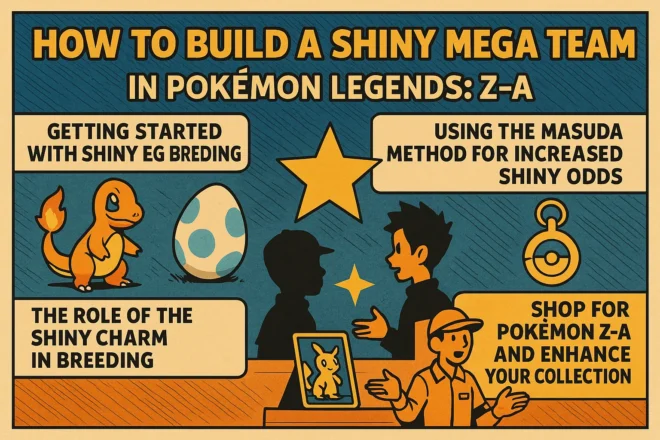
Pokémon Legends: Z-A Shiny Egg Breeding Tips

Shiny Pokémon are one of the most coveted prizes in the Pokémon universe, and for good reason—they’re rare, visually stunning, and they offer a sense of accomplishment to those who manage to catch them. In Pokémon Legends: Z-A, shiny Pokémon can be obtained in several ways, with breeding being one of the most effective. This guide will walk you through the best strategies for breeding shiny eggs, and help you increase your chances of hatching that shiny Pokémon you’ve been dreaming of.

Getting Started with Shiny Egg Breeding

Breeding shiny Pokémon in Pokémon Legends: Z-A follows similar principles to other games in the series, but there are specific mechanics to understand. First, you’ll need a male and a female Pokémon of the same species, or compatible species, placed in the Day Care or Nursery. To boost your chances of hatching a shiny Pokémon, you must focus on increasing the odds through methods like the Masuda Method or using a Shiny Charm.

When it comes to Pokémon Legends: Z-A, the key to success lies in preparation. Be sure to stock up on the right items, such as the Shiny Charm, which significantly boosts your chances of encountering a shiny Pokémon. If you’re feeling impatient or want to increase your chances of success more quickly, you can always consider purchasing shiny Pokémon from reputable sources. If you’re looking to buy shiny Pokémon, you’ll find reliable sellers who can offer you high-quality, rare Pokémon for your collection. This can be a helpful shortcut if you’re aiming for specific shiny Pokémon or simply don’t have the time to breed them yourself.

Using the Masuda Method for Increased Shiny Odds

The Masuda Method is one of the most well-known strategies for breeding shiny Pokémon, and it works by breeding Pokémon from different regions. When you breed two Pokémon from different language games, the chances of hatching a shiny egg are significantly increased. This method is incredibly effective for anyone looking to add shiny Pokémon to their collection without relying purely on luck.

In Pokémon Legends: Z-A, you’ll want to use the Masuda Method with Pokémon from different regions or even languages. The more diverse your breeding partners, the higher your chances of success. Pairing Pokémon with different regional origins is a key factor in maximizing your odds. However, this can require a bit of patience, as obtaining foreign-language Pokémon might take some effort.

The Role of the Shiny Charm in Breeding

The Shiny Charm is another powerful tool that increases your odds of breeding a shiny Pokémon in Pokémon Legends: Z-A. The Charm is awarded after completing the Pokédex, and once obtained, it significantly enhances your chances of encountering shiny Pokémon while breeding. When combined with the Masuda Method, the Shiny Charm boosts your odds even further, making it an essential item for anyone serious about breeding shiny Pokémon.

Once you have both the Shiny Charm and the right breeding partners, your chances of getting that shiny egg will increase drastically. Keep in mind that it still requires patience and multiple attempts to succeed, but the results are absolutely worth it.

Shop for Pokémon ZA and Enhance Your Collection

While breeding is one of the most fulfilling ways to obtain shiny Pokémon, sometimes you just want to skip the wait and get your hands on rare, ready-to-hatch eggs. This is where the option to shop for Pokémon ZA comes in handy. There are many online stores where you can find shiny Pokémon for sale, offering you the opportunity to purchase exactly what you need for your collection. Whether you’re looking for a specific shiny or just want to add some rare specimens to your team, shopping for shiny Pokémon can be a time-saving alternative to the traditional breeding method.

Breeding shiny Pokémon in Pokémon Legends: Z-A is an exciting and rewarding process, but it requires dedication and the right tools. By using methods like the Masuda Method and acquiring the Shiny Charm, you can significantly increase your chances of hatching shiny eggs. Additionally, if you want to skip the grind or just add rare Pokémon to your team, don’t hesitate to buy shiny Pokémon or shop for Pokémon ZA to enhance your collection. With these tips, you’ll be well on your way to having the most coveted shiny Pokémon in your roster. Happy breeding!