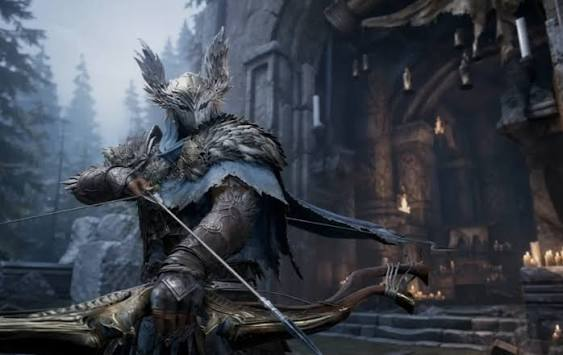
Mistfall Hunter is not a game where simply dealing the most damage guarantees a successful run. Its PvPvE extraction structure rewards players who understand positioning, teamwork, resource management, objective control, and when to disengage. A poorly timed fight can turn a valuable expedition into a total loss.
The key lessons from high-level encounters are straightforward: stay together, control important objectives, avoid unnecessary engagements, and extract once the rewards justify the risk. Managing resources such as Mistfall Hunter Gold can also help players prepare more effectively for future expeditions.
Team Coordination Is the Foundation of PvP Success
A coordinated squad can defeat opponents with better equipment simply by controlling the battlefield more effectively. One of the biggest mistakes in team PvP is allowing players to move independently and become isolated.
A strong team should communicate enemy positions, focus fire on the same target, protect vulnerable teammates, and avoid unnecessary solo pushes. After winning an engagement, regroup before moving toward the next objective instead of immediately chasing another enemy.
The most effective teams also assign clear responsibilities. A frontline fighter can create pressure and protect teammates, a damage dealer can focus on priority targets, and a support player can provide healing, control, or defensive assistance.
Do Not Rush Directly Into Enemy Damage
Aggressive movement can be useful, but blindly running into enemy abilities usually gives the opponent an easy advantage.
Use cover whenever possible and wait for important enemy abilities to be used before committing to an attack. If an opponent has already spent a major defensive or offensive cooldown, that may be the ideal moment to pressure them.
Movement and positioning are just as important as damage output. A patient player can force an aggressive opponent into a bad position and win without having superior equipment.
How to Handle Third-Party PvP Fights
Third-party engagements are especially dangerous because entering a battle at the wrong moment can leave your squad fighting multiple sides.
Instead of immediately attacking when you hear another team fighting, observe the situation first. Look at enemy health, positioning, available resources, and whether major defensive abilities have already been used.
A team that has just completed a long fight may be low on health, short on healing, or missing key cooldowns. That is often a better opportunity than attacking a fresh squad.
Once you commit, finish the engagement quickly. Allowing defeated enemies to recover or revive can turn an advantageous situation into another difficult fight.
Bell Extraction Requires More Than Winning a Fight
The Bell objective is one of the most important parts of an extraction run. Obtaining the Bell is only half the job because your team still needs to survive long enough to extract.
If you know likely Bell locations, establish control of the area before another squad arrives. Good positioning gives your team more options when an opposing group attempts to contest the objective.
However, do not fight simply because another player is nearby. Before committing, consider whether the engagement actually helps secure the Bell, whether your team has enough healing, and whether a third squad could arrive.
A successful elimination means little if your team loses the objective afterward. Once you have secured enough valuable loot, extracting safely can be a better decision than continuing to search for additional rewards.
Healing and Ability Management
Healing at the wrong time is one of the easiest ways to lose an otherwise winnable encounter.
Whenever possible, heal behind cover rather than standing in an exposed position. Movement abilities can help create enough distance to safely use recovery items, while emergency skills should be preserved for moments when an enemy begins an aggressive push.
Do not wait until your health is almost depleted before thinking about recovery. Experienced players anticipate incoming damage and begin repositioning or preparing defensive resources before they become critical.
Fighting Elite and Aggressive Enemies
Dangerous PvE enemies can create just as many problems as rival hunters, especially when a squad becomes distracted during a dungeon encounter.
Ranged players should maintain enough distance to react to attacks, while all players should learn enemy movement patterns and avoid wasting attacks against heavily protected targets. Wait for major abilities to finish before committing to your strongest attacks.
The same principle applies to PvP: remaining calm and recognizing attack patterns is often more valuable than simply attacking continuously.
Build a Balanced Squad
A team made entirely of high-damage characters is not necessarily stronger than a balanced composition.
A frontline role can initiate fights and absorb pressure. A dedicated damage role can eliminate priority targets. A support-oriented character can provide healing, crowd control, or defensive assistance.
The objective is to create complementary roles rather than having every player perform exactly the same function. Good coordination allows each member to cover the weaknesses of the others.
Advanced Survival Tips for New Players
New players can improve their extraction success rate by following a few simple principles.
First, avoid fighting multiple enemies without a clear plan. Second, stay close enough to teammates that you can respond when someone is pressured. Third, learn Bell locations and plan your movement around the objective.
You should also track enemy cooldowns, avoid unnecessary fights, and recognize when the risk has become too high. Practicing movement and positioning in lower-risk encounters can help build the skills needed for more competitive PvP situations.
The central idea is to treat every engagement as a decision rather than an obligation. Not every enemy needs to be fought, and not every piece of loot is worth risking an entire run for.
Managing Mistfall Hunter Gyldenblod and Run Resources
Progression resources become more valuable when your survival rate improves. Instead of constantly risking your best resources in poorly planned encounters, use successful extractions to build a sustainable supply.
Mistfall Hunter Gyldenblod can be viewed as part of this broader progression strategy. Before committing valuable resources to another expedition, make sure your equipment and consumables match the risk of the run.
If you are considering ways to obtain additional Mistfall Hunter Gyldenblod, prioritize safe and efficient progression first. Building a reliable extraction routine means fewer losses and more resources available for difficult content.
The Best PvP Mindset in Mistfall Hunter
The biggest difference between inexperienced and experienced players is often decision-making rather than raw mechanical skill.
A strong player knows when to attack, when to reposition, when to protect a teammate, and when to leave. The best outcome is not necessarily eliminating every enemy on the map. It is extracting with valuable rewards while keeping unnecessary risk under control.
This is especially important in a PvPvE extraction game, where monsters, rival hunters, shrinking danger zones, and objective pressure can all affect the same encounter.
Final Verdict
Successful Mistfall Hunter runs are built around smart decisions. Stay together, communicate targets, use cover, monitor cooldowns, and avoid taking fights that do not advance your objective.
When contesting Bells, control the area before committing, and always consider whether the reward justifies the risk. During dungeon encounters, learn enemy patterns and preserve defensive resources instead of rushing into every fight.
Most importantly, remember that extraction is the ultimate objective. A squad that knows when to disengage will consistently preserve more resources than one that fights until everything is lost.
Whether you are improving your PvP skills, learning advanced dungeon tactics, or building a larger stockpile of Mistfall Hunter Gyldenblod, better positioning and team coordination should remain at the center of your strategy.